The recently approved amendments to the Insolvency and Bankruptcy Code signal a clear legislative intent — to enhance efficiency, reinforce creditor primacy, and align India’s insolvency framework with global best practices.
Through this 5-slide breakdown, we highlight four critical shifts:
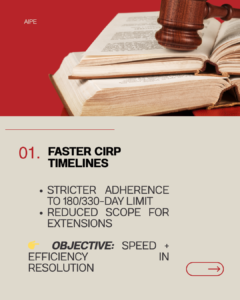
1. Time-Bound Resolution Reinforced
A stricter adherence to the 180/330-day CIRP timeline with significantly reduced scope for extensions reflects a push towards timely value maximisation.
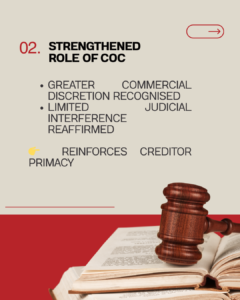
2. Strengthening of CoC’s Commercial Wisdom
The amendments reaffirm limited judicial interference, thereby reinforcing the decision-making authority of the Committee of Creditors.
3. Introduction of Cross-Border Insolvency Framework
A structured mechanism, aligned with international standards, is a significant step towards improving investor confidence and handling multinational insolvencies.
4. Enhanced Accountability of Resolution Professionals
Clearer compliance expectations and stricter regulatory oversight aim to ensure transparency and professional discipline within the ecosystem.
Conclusion
The 2026 amendments mark a transition from a developing insolvency regime to a more mature, predictable, and globally integrated framework.
For stakeholders across the spectrum — insolvency professionals, financial institutions, legal advisors, and investors — adapting to these changes is no longer optional, but essential.
Stay updated. Stay compliant. Stay ahead.
Follow AIPE for continued insights and expert analysis.