

AIPE Submissions to IBBI – For Member Information The Association of Insolvency Professional Entities (AIPE) is pleased to share, for the information of all member IPEs, the formal submissions made to the Insolvency and Bankruptcy Board of India (IBBI) in response to the Discussion Paper dated 17 November 2025 on “Empowering Director/Partner in an IPE […]
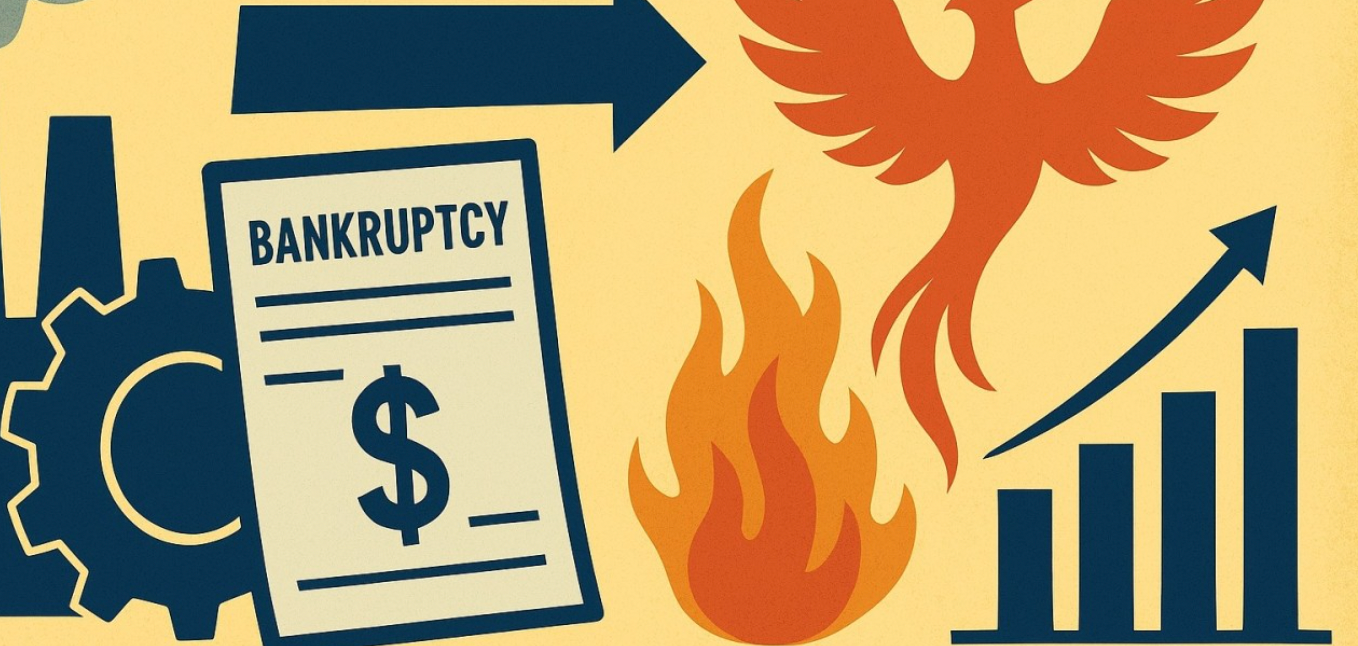
When Joseph Schumpeter coined the phrase “creative destruction,” he described capitalism’s uncomfortable but vital churn: new ideas sweep away old firms, reallocating resources to their most productive uses. The 2025 Nobel Prize in Economic Sciences — awarded to Joel Mokyr, and to Philippe Aghion and Peter Howitt — reaffirms that innovation-driven churn is not an […]
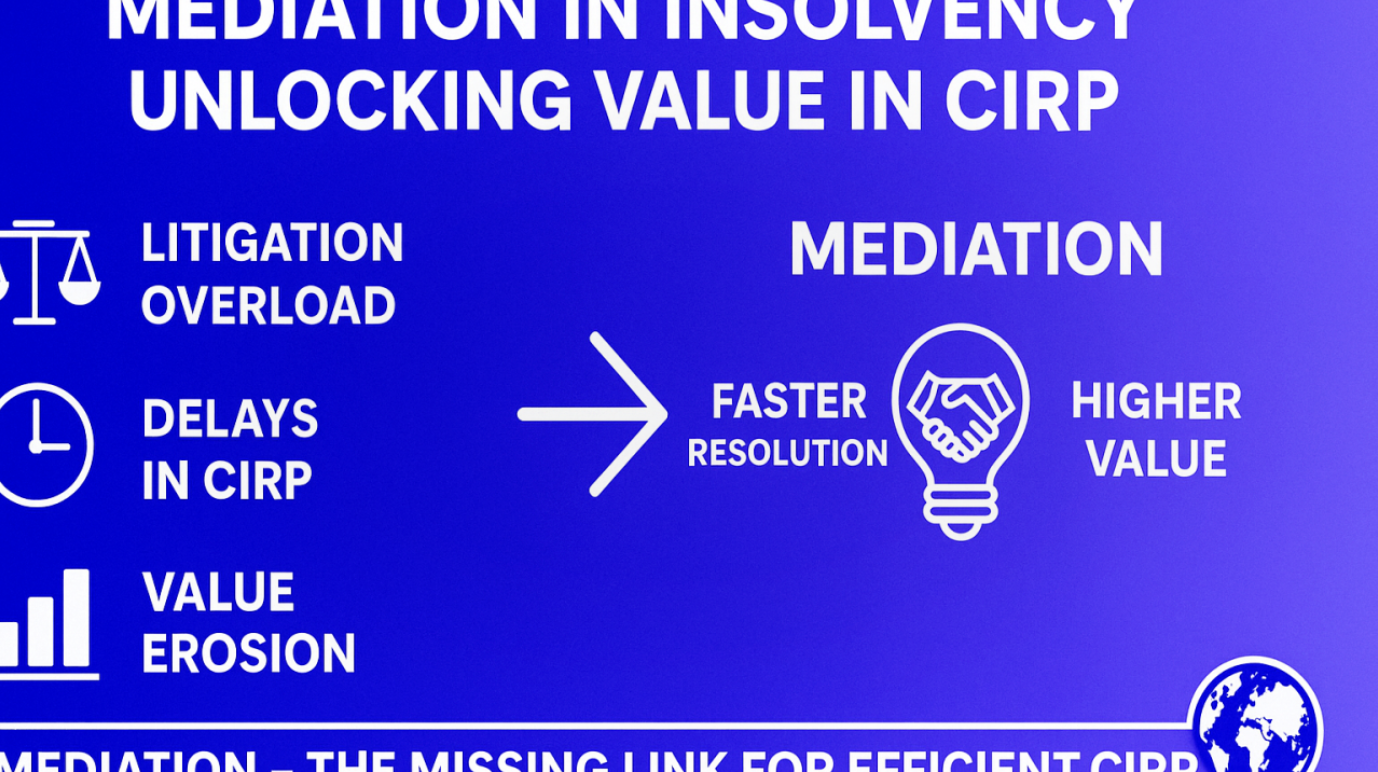
By Mr. Sanjeev Pandey Ceo, AIPE Introduction The Corporate Insolvency Resolution Process (CIRP) under India’s Insolvency and Bankruptcy Code (IBC) was designed to provide a time-bound mechanism for resolving corporate distress. However, the reality has been markedly different, with cases frequently exceeding the statutory 330-day timeline due to extensive litigation and inter-creditor disputes. Drawing […]
The Insolvency and Bankruptcy Board of India (IBBI) has released a significant discussion paper focused on enhancing the integrity of the Corporate Insolvency Resolution Process (CIRP). The paper puts forth important regulatory proposals such as: => Formalizing the Committee of Creditors’ (CoC) deliberations and responsibilities around Section 29A eligibility, thereby strengthening collective due diligence and […]

The Insolvency and Bankruptcy Code (Amendment) Bill, 2025, proposes the most comprehensive overhaul since the IBC’s inception. Key changes include: ✅ Creditor-Initiated Out-of-Court Insolvency (CIIRP) – faster, NCLT-free resolution for qualifying debtors. ✅ Group & Cross-Border Insolvency – aligning India with global best practices, enabling coordinated resolutions and UNCITRAL-style recognition. ✅ Tighter Timelines & Limited […]
By Mr. Sanjeev Pandey, CEO, AIPE Introduction Imagine you’re building a big project, like a new highway, a power plant, or a housing complex. These projects need a lot of money, often borrowed from banks or financial institutions. To make sure this lending is done responsibly, the Reserve Bank of India (RBI) has introduced new […]
The court’s decision highlights that persistent inclusion of debt in audited balance sheets from FY 2015-16 to FY 2022-23 serves as a valid acknowledgment under Section 18, resetting the limitation clock as established in previous Supreme Court rulings. Key principles from the Supreme Court’s Bishal Jaiswal case underscore that a clear and conscious admission of […]